
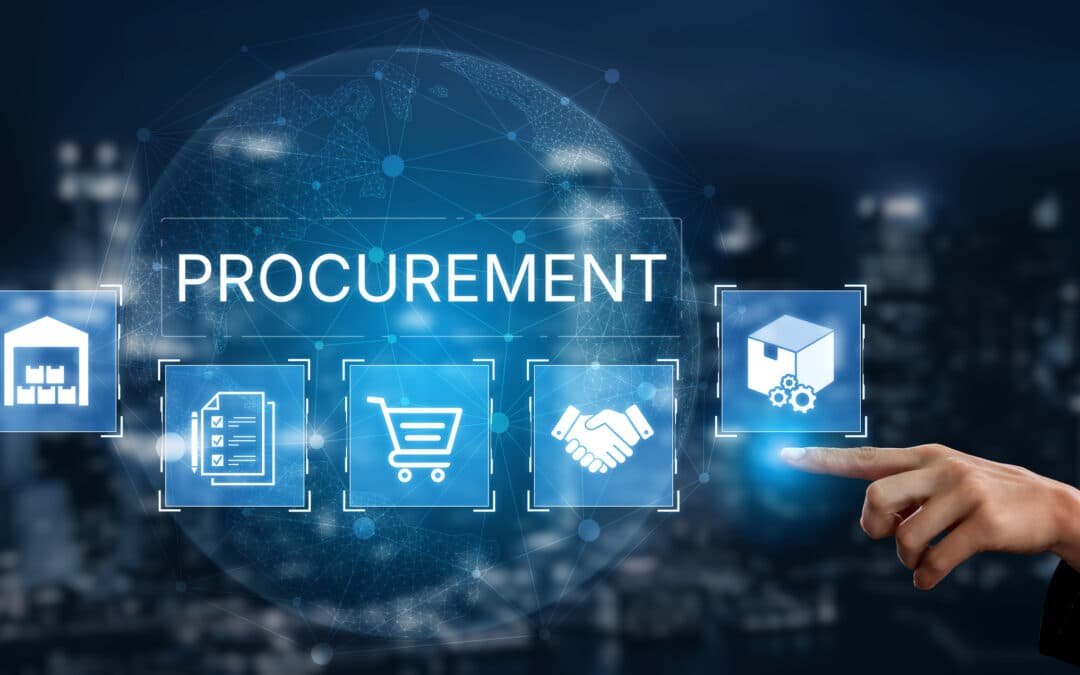
Making Supplier, Factory and Cost Decisions Early Sets Product Timelines
Speed to market – how fast a product moves from idea to customer – often decides who wins. Insightful leaders may see a market need and have ideas to fill it. Yet product development can still take years, leaving room for competitors – or for the market window to shut before the product arrives.
Early decisions set much of that timeline. Choices about materials, suppliers and factories shape what a product costs to make. They also determine where a company can manufacture and how quickly production can scale.
Companies that bring in procurement after those choices waste time working around limits they could have eliminated before launch.
The Tompkins Ventures Procurement Practice can help companies work through new product introduction (NPI) issues from the start. Our partners support the full product commercialization process, from early design through new product introduction and production at scale. That approach helps companies cut development timelines from years to months.
Where Speed to Market Breaks Down
Procurement leaders want to do more than cut costs. Procurement Magazine reported on a 2026 survey of 100 senior procurement leaders. Only 3% considered procurement strictly as a cost control and compliance function. Despite that, only 11% of companies use procurement teams to help build the business case and define requirements – the earliest stage, before anyone talks to suppliers.
In fact, 44% of companies bring procurement in after the business has identified suppliers or begun contract negotiations. And if design teams have already settled on the materials and specifications, procurement has little room left to change the outcome.
That timing also weakens procurement’s position. In the same survey, 19% of procurement leaders reported weak negotiating positions because the company brought procurement in too late.
Late involvement costs time as well. Design for manufacture depends on more than a company’s own plants. Teams need to know early whether suppliers can support the manufacturing process at the required product quality, cost and volume.
Discovering that answer after engineering designs the product can force rework or a late search for new sources. Either way, time to market slips.
Two forces keep procurement out of those early conversations. Some leadership teams still see procurement as a purchasing function, and many procurement leaders built their careers on cost and compliance.
Both factors leave procurement closing deals the business has already shaped.
Build Speed to Market Into Product Development
Procurement adds the most value at ideation and feasibility, before the design locks in. Once market research confirms the need, the company needs to figure out how to make the product. That question belongs with procurement as much as with engineering.
Tompkins Ventures partners support this stage directly, from engineering and product design to regulatory approvals and product testing. Early involvement also opens access to suppliers with new materials, formulations and manufacturing methods – while the design can still change. At this stage, cost modeling and value engineering reveal what each design choice will cost before the company commits. Teams can also build approvals and testing into production design instead of leaving them for the end.
Some companies take a shortcut and design the product around what an existing supplier already makes. That approach can bring a product to market faster when the company has an established, vetted supplier relationship – and is not trying anything too different.
For something genuinely new, the same shortcut can limit the design to what one supplier already knows. Beyond identifying what the market wants, companies need to know what their supply base can make. Expanding the supply base gives companies more options for what they can build.
New Product Introduction Has to Keep Pace With Growth
New product introduction turns design choices into production commitments. Factories must produce quality products that meet cost targets at volume. The supply chain has to deliver on schedule.
Tompkins Ventures partners identify and vet suppliers. Our Procurement Practice also includes factory onboarding, compliance, production ramp-up, capacity planning and supply chain readiness. Our network of factory connections spans multiple countries, which gives companies more than one place to build.
Success brings its own pressure. One fast-growing company launched a product that became its second-best-selling SKU within eight months. Leadership felt secure because the company bought a key ingredient from three suppliers.
Then a Tompkins Ventures partner, brought in after the launch, mapped the company’s SKUs by sales channel and traced each one back through the supply base. All three suppliers bought from the same manufacturer in China.
The company also lacks the capacity to keep up with its growth, so it will need outside contract manufacturers. For those negotiations, procurement must pin down price, how much capacity a manufacturer will guarantee and who buys materials. Getting those terms right early helps keep a fast-growing product on the shelf.
Procurement can still find time even when it arrives late. In another engagement, a partner joined well into the process. In one working session with the client and its factory, the partner found room on terms and service levels. Lead times dropped from four months to six weeks.
That work is where strategic sourcing meets supply chain management. And that kind of work can protect a company’s ability to grow.
Keep the Margin That Speed to Market Creates
Once a product reaches full production, the pressure shifts from speed to margin. Volume can add suppliers, sites and contracts. And pricing can drift without steady management.
Tompkins Ventures partners support this stage with cost optimization, margin management and supplier performance management. They also help maintain supply chain resilience and build long-term supplier relationships.
Working with Tompkins Ventures, one company found its supplier base had fragmented and its pricing varied across the enterprise. It consolidated suppliers and renegotiated contracts. The resulting savings totaled about $3.5 million annually.
Better contracts, governance and cost modeling help protect margin long after the launch. Without them, the gains from a fast launch can erode over the long term.
Companies that involve procurement from the first design decision make better choices about suppliers, factories and cost. Those choices can improve speed to market – cutting timelines from years to months – and protect the margin the product earns. Procurement, consulted from the beginning, can shape the deal from the start instead of trying to fix mistakes the business has already made.
Related Reading
- The Procurement Renaissance Is Reshaping the Enterprise
- AI-Native Leadership Doesn’t Make Excuses
- Procurement Strategy Remains Stuck in 2015
Tompkins Ventures matches your enterprise’s challenges with our network of 1000s of Commercial Partners, Capital Partners and Consulting Partners. Our toolbox is unlimited, as every Tompkins Ventures Partner has decades of experience helping companies address the five major factors for business success: Leadership, Capital, Technology, Supply Chain/Facilities and Procurement. In today’s business environment of continual disruption, even the best companies do not do everything great. Your core competency is your business. Our core competency is selecting the right Partner(s) to work with your executive teams to make good companies great. Business strategy and supply chain expert Dr. James A. Tompkins founded Tompkins Ventures in 2020. Our network is based in the U.S. but operates on all continents except Antarctica.